Reading the letter
A note on the work of making a play
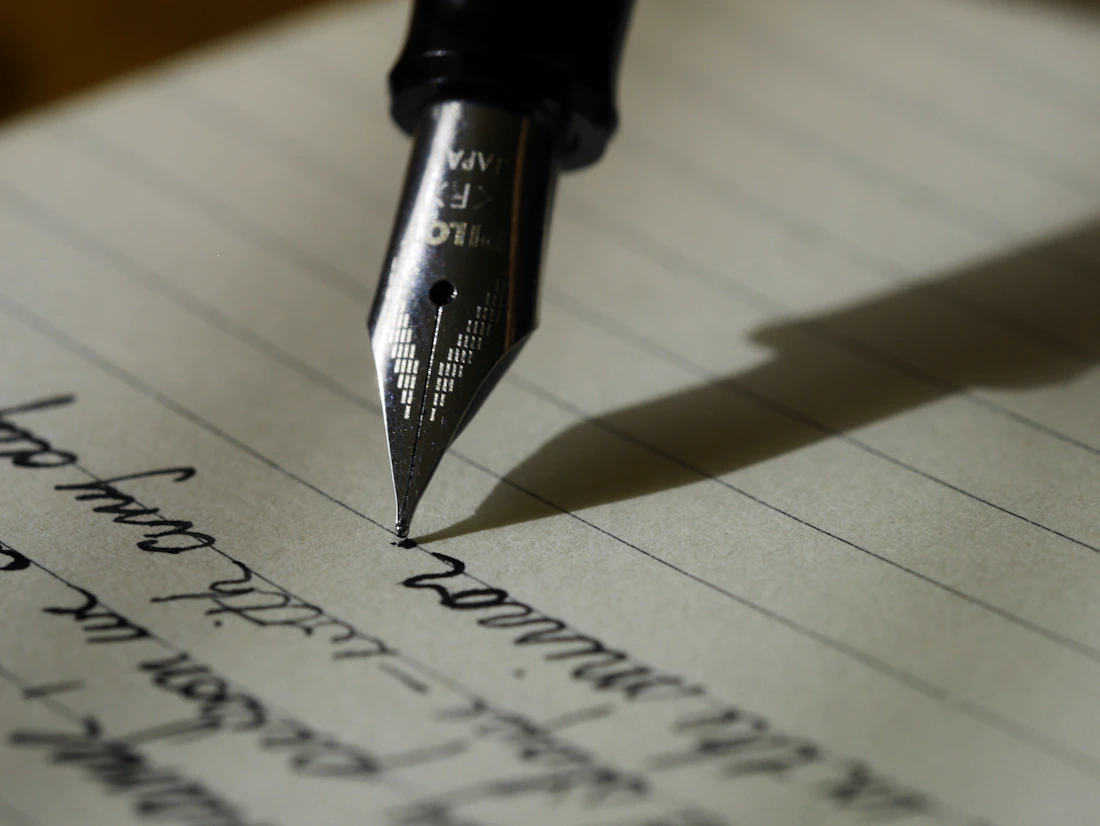
In this April 1889 letter to his brother, Chekhov offers practical encouragement for a writer at work on a play. His advice favours a personal voice over polish for its own sake.
He urges the dramatist to think freely, to accept the possibility of awkwardness, and to avoid writing toward a conventional idea of refinement. For Chekhov, compression matters: a play should not over-explain its situation or labour to make every edge smooth.
The letter advocates an alert, unforced approach to drama: use a fresh subject, resist familiar emotional machinery, and keep the writing close to lived necessity.
Its observations are brief but revealing. Chekhov cautions against relying on well-worn domestic plots and recognisable tears as automatic dramatic material. Instead, he directs attention toward new subject matter without insisting that a play must be built around an elaborate plot device.
The closing thought returns to the material conditions behind art. Writing, in this view, is not detached from daily life. A playwright can seek artistic freedom while remaining attentive to the ordinary work of sustaining a household.
Source note. This archive entry is based on a letter by Anton Chekhov dated April 11, 1889, published in Letters on the Short Story, the Drama and Other Literary Topics, selected and edited by Louis S. Friedland (1924).